%2Ffit-in%2F250x250%2Fguide_websites%2F943%2Fimages%2F1777348786538chatgptimageapr28202611_59_38am.png&w=1920&q=100)
Fly Fishing Techniques at Lake Fork in Alba TX
Fly Fishing Techniques in Alba - What to Expect
%2F%2Fusers%2F42524b46-1d2a-4911-9f72-b211dad28da8%2Fimages%2Ffishing-fly-alba-texas-outdoor-2689.jpg&w=1920&q=75)
Fishing, Tours Adventures by Guide Fly Fish Fork in May
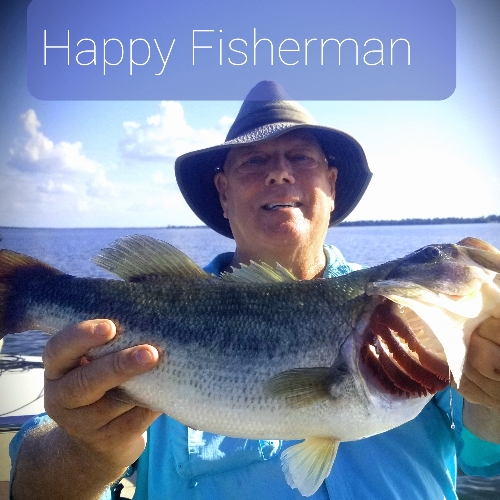
Meet your Guide Fly Fish Fork
- Lake Fork fly fishing guide for bass



Summary
Discover fly fishing and tours adventures on Lake Fork with Fly Fish Fork guide on Sunday, May. Master fly presentation techniques while exploring one of Texas's premier fishing destinations. This hands-on experience teaches proper fly selection, casting mechanics, and reading water conditions.
Fly Fishing with Fly Fish Fork Guide - Rates & Booking
The Guide at Fly Fish Fork on Sunday, May offers professional instruction on Lake Fork, one of Texas's most productive fishing waters. This guided experience focuses on teaching proper fly casting fundamentals, fly selection strategies, and understanding fish behavior patterns throughout the day.
Whether you're new to fly fishing or looking to refine your technique, this outing emphasizes hands-on learning in real water conditions. Fly Fish Fork brings local expertise and knowledge of Lake Fork's seasonal patterns and productive areas. Contact Fly Fish Fork directly to inquire about availability, group size options, and any gear or equipment included with your trip.
Highlights of Your Lake Fork Experience
Lake Fork presents ideal conditions for developing fly fishing skills. The water clarity and diverse habitat structure create opportunities to observe how fish respond to different fly patterns and presentations. You'll learn why certain fly designs work in specific situations and how to read water features like structure, current, and depth to locate active fish.
This experience emphasizes the connection between fly design, casting technique, and successful presentations. Understanding these fundamentals helps you become a more effective angler regardless of location or target species.
Fly Fishing Experience and Local Insights
Fly fishing combines technical skill, environmental awareness, and problem-solving. Lake Fork's varied habitat - including timber, shallows, and deeper channels - provides an excellent classroom for understanding how fish positioning changes throughout the day based on light, temperature, and food availability.
Fly patterns serve specific purposes in different situations. Some flies imitate natural prey like insects or small fish, while others rely on flash and movement to trigger strikes. Learning to select appropriate patterns based on water conditions and fish behavior is central to fly fishing success. Your guide will demonstrate how factors like fly size, weight, and color influence your effectiveness in varying light and water conditions.
The casting technique itself requires practice and precision. Proper fly casting relies on timing and stroke mechanics rather than raw strength. Developing smooth, efficient casting enables you to place flies accurately in tight spots and present them naturally. Lake Fork's diverse structure offers plenty of opportunities to practice casting to different targets and distances.
Water reading becomes intuitive with experience. Learning to identify depth changes, structure, current breaks, and temperature variations helps predict where fish congregate and how they behave in different zones. These insights transfer to any fly fishing situation you encounter.