%2Ffit-in%2F250x250%2Fguide_websites%2F943%2Fimages%2F1777348786538chatgptimageapr28202611_59_38am.png&w=1920&q=100)
Bass Fishing on Lake Fork with Fly Fish Fork Guide
Bass Fishing in Alba - What to Expect on Lake Fork
%2F%2Fusers%2F42524b46-1d2a-4911-9f72-b211dad28da8%2Fimages%2Fbass-fishing-alba-texas-lake-2471.jpg&w=1920&q=75)
Fishing, Tours Adventures by Guide Fly Fish Fork in April
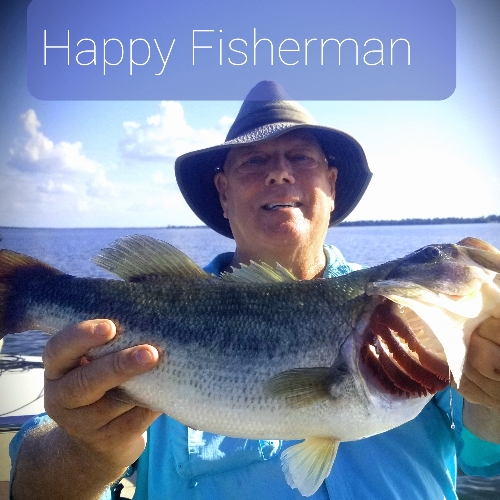
Meet your Guide Fly Fish Fork
- Lake Fork fly fishing guide for bass



Summary
Join Fly Fish Fork on a Tuesday in April for a bass fishing and guided tour adventure on Lake Fork. This experience teaches you how to locate and land bass in one of Texas' premier freshwater destinations, where understanding water structure and seasonal behavior gives you the edge.
Bass Fishing with Fly Fish Fork - Rates & Booking
A guide from Fly Fish Fork on Lake Fork in Alba, TX on Tuesday, April 28th offers you the chance to understand what makes this lake one of Texas' most productive bass fisheries. When you book a guided fishing trip, you gain access to local knowledge that transforms your time on the water.
To secure your spot and learn about current rates, group sizes, and what's included with your trip, contact Fly Fish Fork directly. The guide will match the experience to your skill level, whether you're refining techniques or learning bass behavior from scratch.
Highlights of Your Lake Fork Experience
Lake Fork's reputation stems from its clear water, abundant structure, and consistent bass population. You'll work areas where largemouth bass congregate around cover and deeper channels, learning to read the water conditions and adapt your approach throughout the day.
The lake offers diverse fishing environments - from shallow flats to drop-offs and timber-lined banks. Your guide understands how seasonal changes and weather patterns influence where bass feed and rest, allowing you to target them effectively rather than simply casting randomly.
On the Water: Understanding Bass Behavior and Lake Fork's Environment
Lake Fork presents ideal conditions for studying how bass interact with their environment. The clear water means you can observe structure and develop your ability to locate fish based on habitat rather than luck alone.
Bass behavior changes throughout the day and season. In spring, they move into shallow areas to feed before spawning. They're most active during low-light periods - early morning and late afternoon - when they hunt in shallow water. Understanding this pattern helps you time your fishing and know where to position yourself on the boat.
The lake's structure creates natural highways for bass movement. Deeper channels connect shallow feeding areas, and bass use these corridors to travel. Points, drop-offs, and submerged timber attract bass because these features funnel prey and provide shelter. Your guide reads this structure and teaches you to recognize similar patterns you can apply to other lakes.
Water temperature drives bass metabolism and location. In cooler months, bass hold in deeper, more stable water. As water warms, they expand into shallower zones. By mid-spring on Lake Fork, warming water triggers increased feeding activity, making this an excellent time to connect with aggressive bass that feed throughout the day.
The fishing and tours adventure on Lake Fork teaches you practical skills beyond the immediate catch. You learn boat positioning to cover water efficiently, how to read your electronics to identify structure, and why certain presentations work better in specific conditions. Each decision your guide makes reveals the thought process behind successful bass fishing.