%2Ffit-in%2F250x250%2Fguide_websites%2F943%2Fimages%2F1777348786538chatgptimageapr28202611_59_38am.png&w=1920&q=100)
Bass Fishing in Alba TX - Lake Fork Guide
Bass Fishing in Alba - What to Expect
%2F%2Fusers%2F42524b46-1d2a-4911-9f72-b211dad28da8%2Fimages%2Fbass-catch-alba-texas-fishing-2807.jpg&w=1920&q=75)
Fishing, Tours Adventures by Guide Fly Fish Fork in May
Meet your Guide Fly Fish Fork
- Lake Fork fly fishing guide for bass



Summary
Join a fishing and tours adventure with Fly Fish Fork in Alba, TX on Tuesday, May to catch largemouth bass on Lake Fork. This guided experience teaches you local techniques, species behavior, and what makes this fishery unique for anglers of all skill levels.
Fishing with Fly Fish Fork - Rates & Booking
Guide with Fly Fish Fork of Fly Fish Fork on Tuesday, May offers personalized bass fishing trips on Lake Fork. Contact the guide directly to discuss trip duration, group size, and any specific gear or inclusions for your outing. All anglers should confirm their fishing licenses and any special requirements before booking.
Highlights of Your Lake Fork Experience
Lake Fork stands out as one of Texas' premier bass fisheries, known for producing quality largemouth bass in a range of sizes. The lake's structure, vegetation, and varied depths create excellent opportunities for both sight fishing and exploration-based techniques. Whether you are refining your casting or learning new approaches, the environment supports multiple fishing methods and conditions throughout the day.
The experience combines practical instruction with real-world application. Your guide shares local knowledge about seasonal patterns, productive areas, and techniques that work in these specific waters. This hands-on learning helps you understand not just how to fish here, but why certain methods are effective during different times of day and season.
Local Species Insights: Largemouth Bass
Largemouth bass in Lake Fork exhibit behaviors shaped by the lake's structure and forage base. These predators use vegetation, submerged timber, and deeper channels as staging areas depending on season, water temperature, and light conditions. Understanding these habitat preferences is key to locating and catching bass consistently.
Bass feeding patterns shift throughout the day and across seasons. Early morning and late afternoon often produce aggressive strikes as bass move into shallower areas to feed. Water temperature influences their depth preference and activity level - warmer water generally pushes bass deeper during midday, while cooler conditions may have them active throughout the day. Largemouth bass use their lateral line and vision to locate prey, making both movement and presentation important factors in your approach.
On Lake Fork, the mix of natural structure and seasonal forage creates diverse fishing scenarios. Vegetation beds hold bass in spring and early summer when they are shallow and aggressive. As water warms, bass relate more to deeper structure and cooler zones. Understanding these transitions helps anglers adjust their strategy and increase success rates. Your guide shares these insights so you learn to read the water and adapt to conditions rather than relying on one approach.
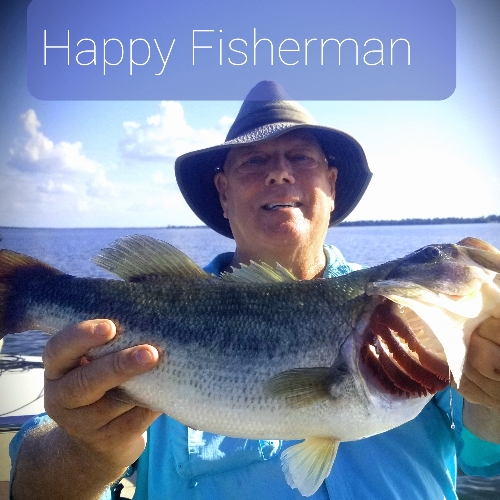
The catch you land represents not just a fish, but evidence of successful reading of habitat, proper technique, and timing. Each bass tells a story about what was working in that moment - the depth, the structure, the presentation, and the activity level. This knowledge transfers directly to your next outing, making every fish an opportunity to refine your understanding of how largemouth bass behave in this fishery.