%2Ffit-in%2F250x250%2Fguide_websites%2F943%2Fimages%2F1777348786538chatgptimageapr28202611_59_38am.png&w=1920&q=100)
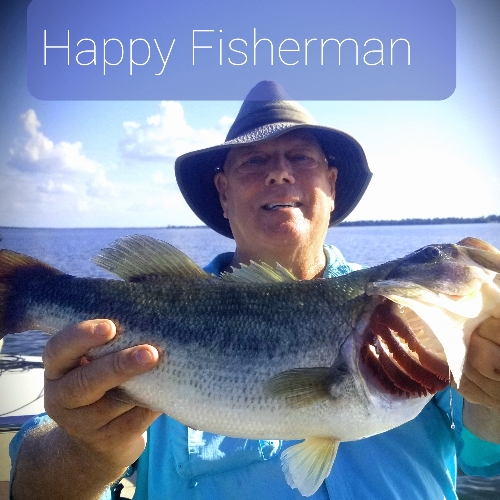
Large Bass Caught on Fishing Trip in Alba TX
Bass Fishing in Alba - What to Expect
%2F%2Fusers%2F42524b46-1d2a-4911-9f72-b211dad28da8%2Fimages%2Fbass-catch-alba-texas-fishing-2780.jpg&w=1920&q=75)
Fishing, Tours Adventures by Guide Fly Fish Fork in April
Meet your Guide Fly Fish Fork
- Lake Fork fly fishing guide for bass



Summary
This fishing and tours adventure on Tuesday, April showcases a successful bass catch during a guided trip in Alba, TX. Lake Fork, known for producing large bass, offers anglers the opportunity to develop practical fishing techniques while learning habitat selection and seasonal behavior patterns that lead to trophy-sized results.
Fishing with Fly Fish Fork - Rates & Booking
Guide Fly Fish Fork of Fly Fish Fork on Tuesday, April offers fishing adventures on Lake Fork near Alba, TX. This guided trip provides hands-on instruction in bass fishing techniques, including location scouting, casting accuracy, and reading water conditions that influence fish behavior. Whether you're targeting shallow structure or deep-water zones, your guide shares local expertise developed through consistent time on the water.
To reserve your fishing adventure, contact Fly Fish Fork directly to discuss your preferred dates, group size, and skill level. The guide works with you to customize the experience based on current lake conditions and your fishing goals.
Highlights of Lake Fork Bass Fishing
Lake Fork has earned recognition as a premier bass fishery, consistently producing large-sized fish that reward both experienced and developing anglers. The lake's structure, including submerged timber, rocky points, and grass beds, creates ideal habitat for bass throughout the year. Your guide knows these productive zones and teaches you how to identify similar features that hold feeding fish.
The experience combines the technical aspects of fishing with the natural beauty of East Texas waterways. Morning and evening hours often provide optimal conditions when bass are most active, and your guide plans the day around these prime feeding windows.
Understanding Bass Behavior and Lake Environment
Lake Fork's bass respond to environmental factors including water temperature, light levels, and seasonal movements. Spring fishing, when bass transition to spawning areas in shallow water, offers opportunities to observe pre-spawn and spawning behavior. Summer typically pushes bass toward deeper structure and shade, while fall sees aggressive feeding as fish prepare for winter.
Bass are ambush predators that position themselves near cover where they can intercept prey with minimal energy expenditure. They rely on lateral line sensitivity to detect vibrations and movement, making presentation and casting accuracy crucial to success. Your guide demonstrates how to approach structure quietly, position your cast to trigger strikes, and maintain control during the fight.
The lake's water clarity, depth variation, and seasonal changes create different fishing scenarios throughout the year. Understanding how bass adjust to these variables helps explain why certain locations produce consistent results while others remain unproductive. Your guide interprets current conditions to select the most effective areas and techniques for your trip.