%2Ffit-in%2F250x250%2Fguide_websites%2F943%2Fimages%2F1777348786538chatgptimageapr28202611_59_38am.png&w=1920&q=100)
Bass Fishing Catch in Alba TX - Lake Fork Guide
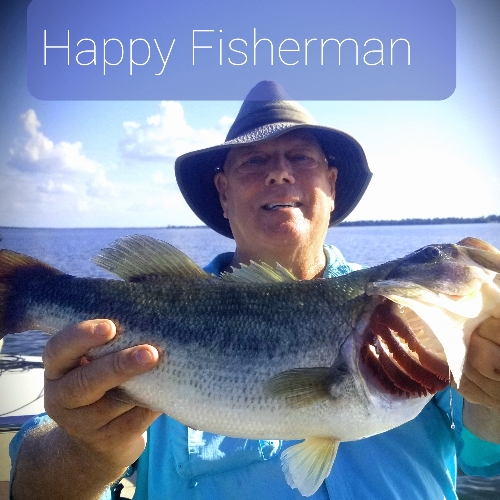
Bass Fishing in Alba - What to Expect
%2F%2Fusers%2F42524b46-1d2a-4911-9f72-b211dad28da8%2Fimages%2Fbass-catch-alba-texas-fishing-2773.jpg&w=1920&q=75)
Fishing, Tours Adventures by Guide Fly Fish Fork in April
Meet your Guide Fly Fish Fork
- Lake Fork fly fishing guide for bass



Summary
Join Fly Fish Fork for an exciting fishing and tours adventure on Wednesday, April 29th. This guided fishing trip on Lake Fork showcases what makes Alba, TX a premier destination for largemouth bass enthusiasts. Learn proven techniques while exploring one of Texas' most productive bass fisheries.
Fishing with Fly Fish Fork - Rates & Booking
Guide Fly Fish Fork of Fly Fish Fork on Wednesday, April 29th offers an exceptional bass fishing experience on Lake Fork near Alba, Texas. This guided fishing trip is designed for anglers seeking to improve their skills and land quality catches on one of the region's most respected fisheries. To reserve your spot and learn about current rates, contact Fly Fish Fork directly for availability and booking details.
Highlights of This Fishing Trip
Lake Fork has earned its reputation as a premier bass destination through consistent trophy-sized catches and excellent fishing conditions. The guide's experience with local waters means you'll fish proven spots during optimal times, maximizing your chances of connecting with largemouth bass. This hands-on experience teaches you not just where to fish, but why these locations produce results throughout different seasons.
The fishing environment on Lake Fork combines healthy aquatic vegetation, deep structure, and consistent year-round conditions that support a thriving bass population. Whether you're targeting shallow cover or deeper ledges, you'll learn how water temperature, time of day, and seasonal patterns influence bass behavior and feeding activity.
Local Bass Fishing Insights
Lake Fork's largemouth bass population thrives in an ecosystem featuring productive shallow areas, standing timber, and submerged structure. Understanding how bass use these habitats is fundamental to consistent success. During spring months like April, bass transition through pre-spawn and spawn phases, moving into shallower water near cover. This seasonal movement creates excellent opportunities for guided anglers.
Largemouth bass behavior is driven by several environmental factors. Water temperature controls their metabolism and feeding intensity - as water warms into the 60s and 70s Fahrenheit during spring, bass become increasingly active. Cover such as vegetation, fallen trees, and rock formations provide ambush points where bass hunt prey. Light penetration changes throughout the day, causing bass to move between shallow feeding zones and deeper refuge areas.
Successful bass anglers develop pattern recognition skills - identifying which types of cover hold fish at different times, understanding how weather affects feeding activity, and adapting techniques to seasonal conditions. A guided experience accelerates this learning curve significantly. Your guide will explain not just which lures to throw, but why certain presentations trigger strikes, how to read water conditions, and what signs indicate active fish nearby.
Lake Fork's reputation stems from consistent quality catches and excellent management practices that maintain a healthy bass population. The combination of suitable habitat, appropriate forage availability, and proper fisheries management creates an ideal environment for learning bass fishing fundamentals while pursuing genuinely rewarding catches.