%2Ffit-in%2F250x250%2Fguide_websites%2F943%2Fimages%2F1777348786538chatgptimageapr28202611_59_38am.png&w=1920&q=100)
Alligator Encounter in Alba TX - Lake Fork Tours
Wildlife & Water Adventure Around Alba
%2F%2Fusers%2F42524b46-1d2a-4911-9f72-b211dad28da8%2Fimages%2Falligator-alba-texas-fishing-tour-2630.jpg&w=1920&q=75)
Fishing, Tours Adventures by Guide Fly Fish Fork in May
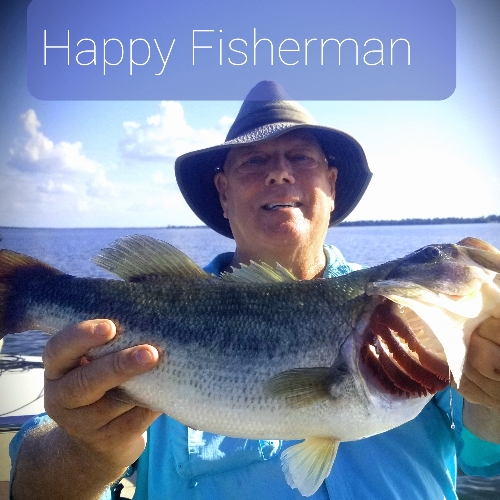
Meet your Guide Fly Fish Fork
- Lake Fork fly fishing guide for bass



Summary
This Sunday in May, a guided fishing and tour adventure through Alba, TX revealed the natural wildlife that calls Lake Fork home. Our local guide showcased the marshy ecosystems where alligators rest and thrive, offering a genuine look at the area's wildlife and waterways.
Fishing and Tours with Fly Fish Fork - Rates & Booking
Our guide from Fly Fish Fork led us on Sunday, May 3rd through the waters and marshes near Alba, TX. This combination fishing and tour adventure provided an up-close look at local wildlife in their natural habitat. Whether you're interested in fishing, wildlife observation, or simply experiencing the natural beauty of Lake Fork, Fly Fish Fork offers guided experiences tailored to outdoor enthusiasts. For rates, availability, and to reserve your trip, contact the guide directly through Fly Fish Fork's booking system.
Highlights of Lake Fork Exploration
The marshy areas surrounding Lake Fork create an ideal environment for observing local wildlife. The stillness of the water's edge and the natural vegetation provide perfect conditions for spotting alligators and other species. This region offers authentic Texas wilderness experience where nature dominates the landscape and wildlife encounters feel genuine and unscripted.
The guide's knowledge of the area made the difference, pointing out the subtle signs of activity and explaining how local species use the marshes. These moments of real discovery - seeing an alligator in its resting place rather than hearing about it secondhand - create lasting memories of what makes Lake Fork special.
Local Species Insights: Alligators in Texas Marshes
Alligators are a defining part of Texas wetland ecosystems, and Lake Fork's marshy areas provide prime habitat for these reptiles. The calm waters and shallow edges offer ideal conditions for alligators to hunt, rest, and thermoregulate. When exploring these waters, seeing an alligator at the water's edge is a natural part of the environment rather than a rarity.
The behavioral patterns of alligators are closely tied to water temperature and food availability. In the Texas marshes around Lake Fork, they thrive year-round, with spring and early summer offering particularly good opportunities to observe them. Their presence indicates a healthy aquatic ecosystem with abundant prey species. Understanding their role in the food chain and their preferences for specific habitats enriches any visit to the area.
The experience of observing alligators in their natural setting - resting by the water's edge in marshy zones - provides insight into how these ancient reptiles have adapted to Texas waterways. For visitors on guided tours or fishing trips, respecting their space while appreciating their presence from a safe distance creates a memorable and authentic encounter with local wildlife.