%2Ffit-in%2F250x250%2Fguide_websites%2F943%2Fimages%2F1777348786538chatgptimageapr28202611_59_38am.png&w=1920&q=100)
Alligator Wildlife Tour Lake Fork Alba TX
Wildlife & Fishing Around Lake Fork - What to Expect
%2F%2Fusers%2F42524b46-1d2a-4911-9f72-b211dad28da8%2Fimages%2Falligator-alba-texas-fishing-tour-2447.jpg&w=1920&q=75)
Fishing, Tours Adventures by Guide Fly Fish Fork in April
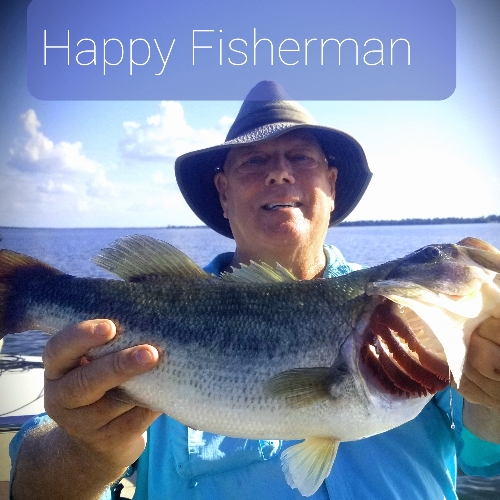
Meet your Guide Fly Fish Fork
- Lake Fork fly fishing guide for bass



Summary
A Tuesday in late April brought an unforgettable encounter with Lake Fork's natural inhabitants during a guided fishing and tour adventure with Fly Fish Fork. Spotting a large alligator resting on the muddy shoreline reminded us why this Texas destination captures the imagination of anglers and nature enthusiasts alike. The experience highlighted the diverse ecosystem that makes this region a premier fishing location.
Fishing and Tours with Fly Fish Fork - Rates & Booking
Our guide with Fly Fish Fork of Lake Fork took us out on a Tuesday in late April, and the day delivered more than we anticipated. Beyond the fishing itself, the tour revealed the rich wildlife that calls these waters home. Every detail of the experience was carefully structured to maximize both your success on the water and your connection to the natural environment. For current rates, available dates, and booking information, reach out directly to Fly Fish Fork to reserve your spot on Lake Fork.
Highlights of Lake Fork Adventures
The shoreline encounter with a resting alligator became an unexpected centerpiece of the day. These impressive reptiles are part of Lake Fork's established ecosystem and add a wild authenticity to the experience. Seeing wildlife in its natural habitat, undisturbed and thriving, gave us genuine perspective on what makes this fishery special. The muddy banks provide ideal habitat for these creatures, and spotting one during a guided tour felt like a privilege earned through patience and local knowledge.
The lake itself offers excellent conditions for both fishing and wildlife observation. Calm waters and varied terrain create ideal conditions for multiple species and natural behaviors. The guide's familiarity with seasonal patterns and local hotspots elevated every moment on the water.
Local Species Insights: Alligator Habitat & Behavior
Lake Fork's alligator population represents a thriving component of this Texas waterway's ecosystem. These reptiles prefer warm-water environments with abundant food sources, making Lake Fork an ideal habitat. Alligators are primarily nocturnal hunters but can be spotted basking in daylight, especially during warmer months. The muddy shoreline where we observed this individual provides perfect camouflage and thermal regulation opportunities.
What makes an alligator encounter significant during a guided fishing trip is context. These animals maintain respectful distance from human activity when undisturbed. Seeing one peacefully resting on the bank demonstrates the lake's established ecological balance. The presence of healthy alligator populations actually indicates a robust fishery with abundant forage species. Guides familiar with Lake Fork understand alligator behavior patterns and know where encounters are most likely, turning wildlife observation into a natural extension of the fishing experience.
The muddy banks of Lake Fork create perfect habitat zones. Shallow areas with dense vegetation provide breeding grounds and nurseries. Deeper channels and underwater structures offer feeding opportunities. This habitat diversity supports not just alligators, but the entire food chain that supports trophy fish species. Understanding these connections deepens appreciation for why Lake Fork maintains its reputation as a premier destination.
Visitors should know that alligators play a crucial ecological role. They maintain water quality by controlling fish populations, and they're part of a balanced system that has evolved over generations. Modern management ensures both wildlife protection and sustainable fishing opportunities. Your guide's knowledge of these dynamics transforms a simple wildlife sighting into genuine education about what makes Lake Fork worth visiting.
Plan Your Lake Fork Day
A typical guided experience on Lake Fork combines fishing strategy with wildlife awareness. Your day starts with positioning in prime fishing zones while remaining alert to natural occurrences around you. The guide navigates based on conditions, species behavior, and seasonal patterns. Weather during late April offers comfortable conditions and active fish populations. Morning and evening periods typically provide best results, though midday surprises do happen. Bring sun protection and stay hydrated throughout the day. The experience balances focused fishing time with genuine moments of natural observation, creating a memory that extends beyond catch numbers.