%2Ffit-in%2F250x250%2Fguide_websites%2F943%2Fimages%2F1777348786538chatgptimageapr28202611_59_38am.png&w=1920&q=100)
Largemouth Bass Fishing in Alba TX - Lake Fork Guide
Largemouth Bass Fishing in Alba - What to Expect
%2F%2Fusers%2F42524b46-1d2a-4911-9f72-b211dad28da8%2Fimages%2Falba-tx-bass-fishing-catch-2856.jpg&w=1920&q=75)
Fishing, Tours Adventures by Guide Fly Fish Fork in May
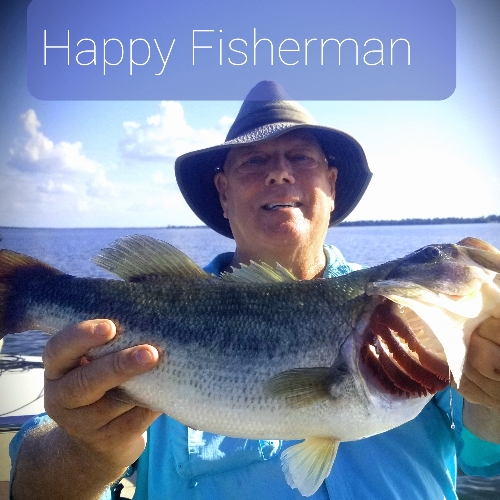
Meet your Guide Fly Fish Fork
- Lake Fork fly fishing guide for bass



Summary
Join Fly Fish Fork for a fishing and tours adventure on Lake Fork in Alba, TX. This Tuesday, May outing targets largemouth bass in one of Texas's premier freshwater fisheries. Learn techniques for finding and catching bass in varying water conditions while exploring the natural beauty of this productive lake system.
Fishing with Fly Fish Fork - Rates & Booking
Guide Fly Fish Fork of Fly Fish Fork on Tuesday, May 5th provides expert instruction and local knowledge for targeting largemouth bass on Lake Fork near Alba, Texas. This fishing and tours adventure combines hands-on experience with professional guidance to help you understand what drives bass behavior throughout the day. Whether you are refining existing skills or learning foundational techniques, the guide tailors the experience to your ability level and interests.
Lake Fork remains one of Texas's most productive largemouth bass fisheries, known for consistent catches and healthy fish populations. The guide brings years of local expertise to reading water conditions, identifying productive structure, and selecting appropriate techniques for current season patterns.
To book your fishing tour or learn about current rates and availability, contact Fly Fish Fork directly to reserve your spot on Lake Fork. Confirm what is included with your package before booking.
Highlights of Your Lake Fork Fishing Experience
Lake Fork offers multiple advantages for largemouth bass anglers. The lake features diverse structure including submerged timber, grass beds, and rocky points that hold fish throughout the day. Morning hours often produce aggressive strikes as bass actively feed. Understanding how to locate and approach these structural elements makes the difference between casual outings and successful days on the water.
The guide helps you recognize subtle signs of fish activity, from surface disturbances to baitfish movement patterns. This educational approach builds your confidence and equips you with knowledge applicable to future fishing across different waters.
Local Largemouth Bass Insights
Largemouth bass inhabit Lake Fork's diverse environments, from shallow vegetation to deeper channels. These fish are ambush predators that use cover and structure to hunt efficiently. In spring and early summer months, bass move shallower to spawn and feed aggressively before summer heat pushes them deeper. Understanding these seasonal movements helps predict where fish will position themselves.
Largemouth bass rely heavily on vibration and movement detection through their lateral line system. This explains why certain lure presentations and retrieves generate strikes while others go ignored. Live bait, artificial lures, and fly presentations each trigger different predatory responses. The guide demonstrates how to adjust your approach based on bass feeding behavior and environmental conditions.
Water clarity on Lake Fork varies seasonally and after rain events. Bass behavior changes with visibility - in stained water they rely more on vibration and noise, while clearer water conditions demand more subtle presentations that mimic natural prey more precisely. Learning to adapt your technique to changing clarity is essential for consistent success.
Lake Fork's relatively stable water levels and consistent management support healthy bass populations. The lake receives proper pressure from recreational anglers, creating selective fish that respond to natural presentations and require understanding of their preferences.
Plan Your Fishing Day
Plan to arrive well before sunrise for maximum effectiveness during peak feeding periods. Bring polarized sunglasses to help spot structure and fish activity beneath the surface. Wear layered clothing as morning temperatures on the water can be cool even in spring. Sun protection including hat and sunscreen becomes important as the day progresses.
The guide determines specific techniques based on current conditions when you arrive. Morning hours typically focus on shallow water structure where bass hunt most actively. Mid-day patterns may require adjusting to deeper areas or transitional zones depending on water temperature and weather. Afternoon sessions often produce secondary feeding periods as bass begin evening activity patterns.
Bring adequate water and snacks for the duration of your trip. Ask the guide about what tackle and equipment is provided versus what you should bring. Most guides prefer anglers have basic comfort items available to sustain energy and focus throughout the full experience.